Dry Fire Is Not Pretend Shooting: What Science Actually Says
Dry fire has an image problem. To some shooters, it is the boring thing instructors recommend when ammunition is expensive. To others, it is […]
Read article →ABA Research archive

Dry fire has an image problem. To some shooters, it is the boring thing instructors recommend when ammunition is expensive. To others, it is […]
Read article →
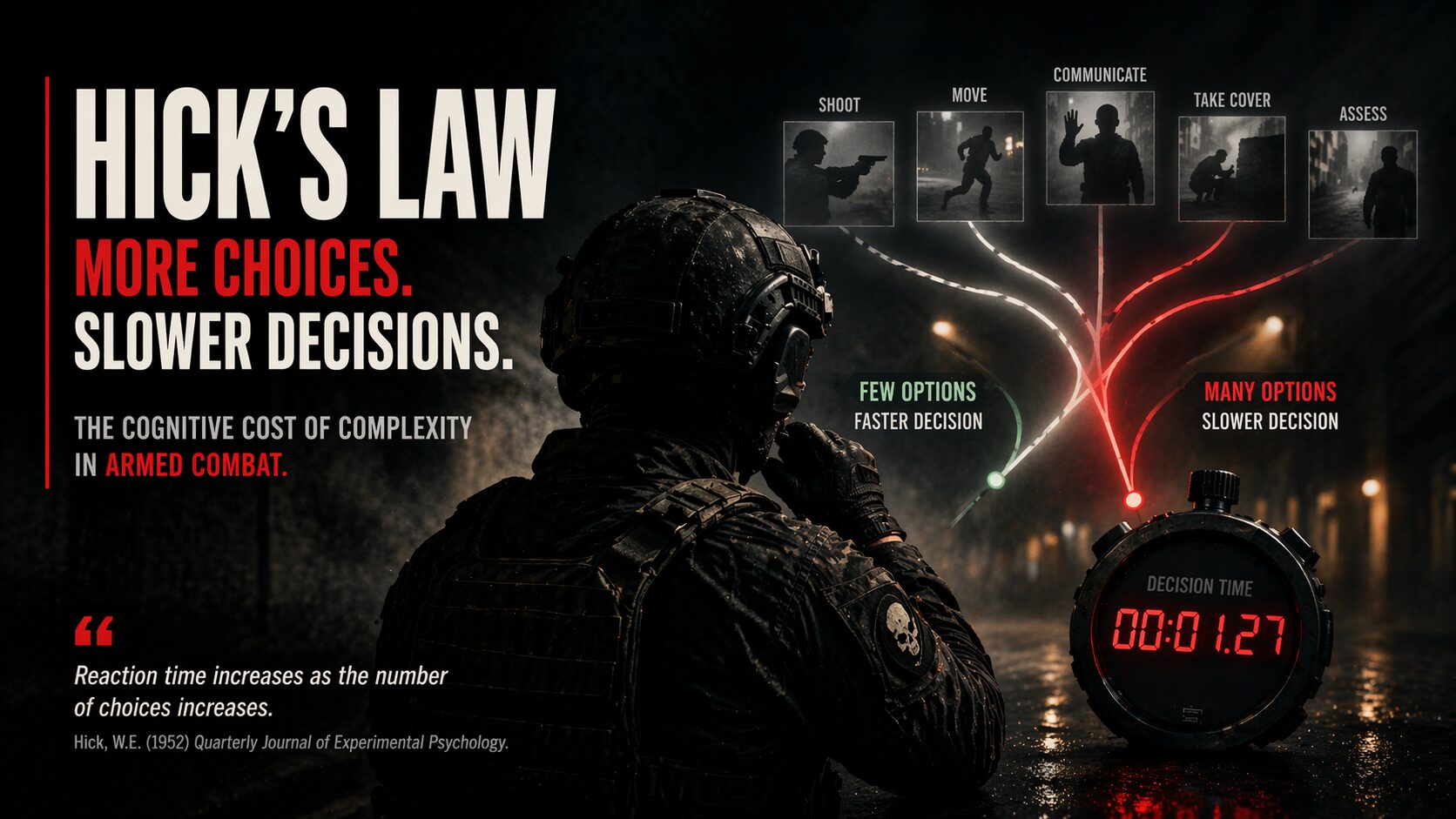
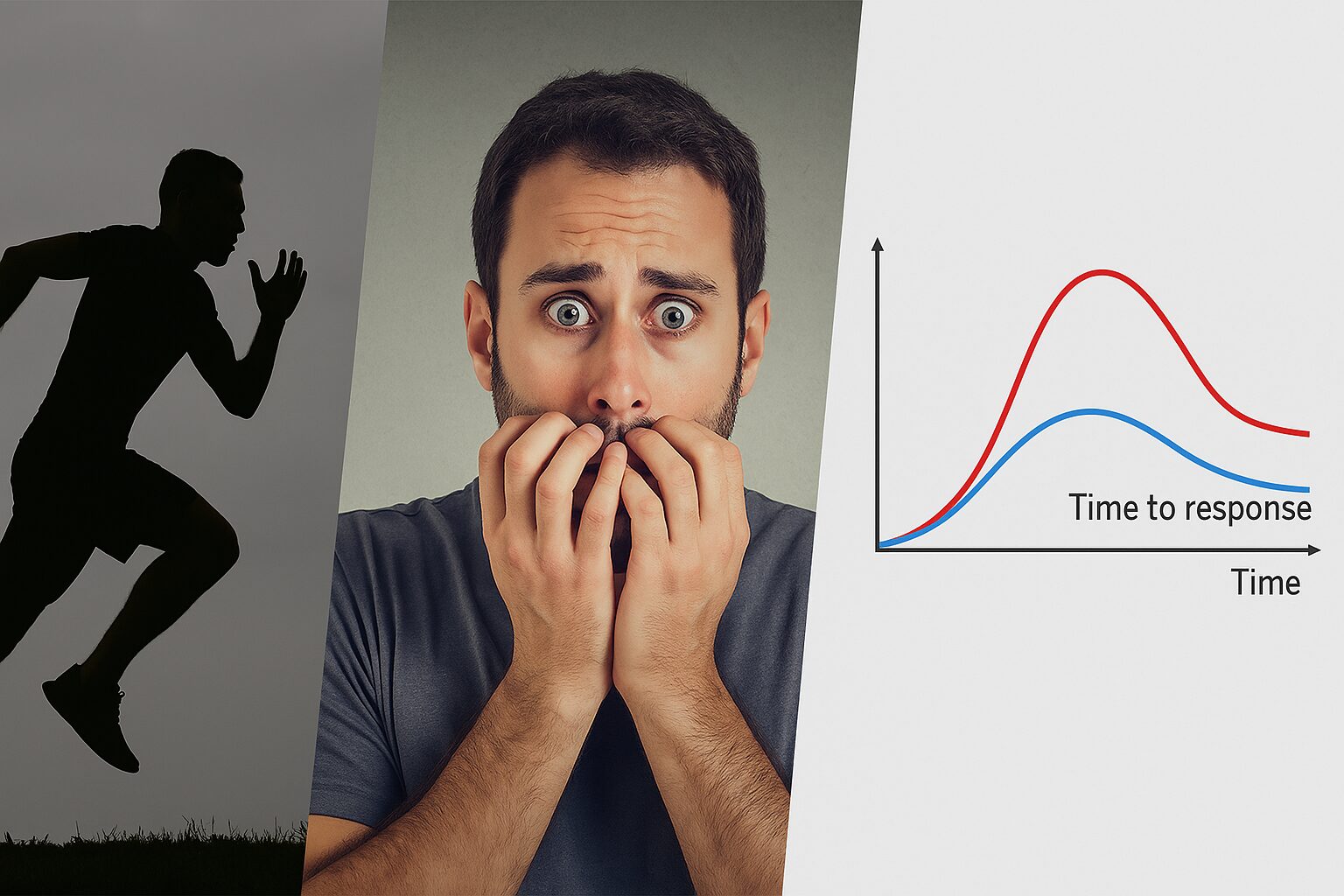
Introduction In armed combat, speed is often incorrectly understood as a purely physical attribute—something related to how fast one can draw, aim, or fire. […]
Read article →
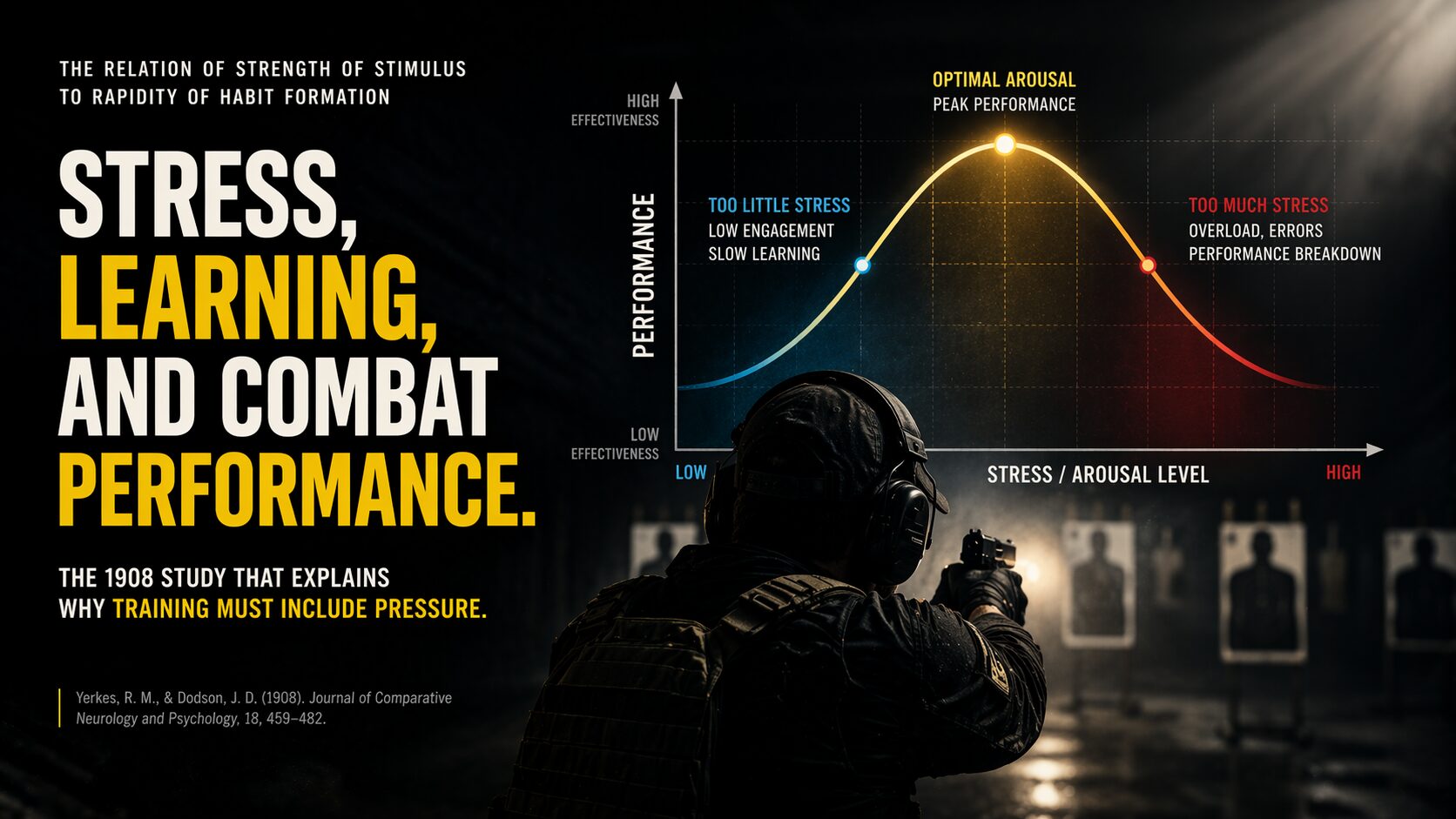
A Foundational Framework for Combat Performance Under Stress Introduction In the pursuit of excellence in armed combat training, practitioners often prioritize technique, equipment, and […]
Read article →
In high-risk professions such as policing, firefighting, military operations, and rescue work, self-protection is both the highest priority and the hardest skill to master. […]
Read article →
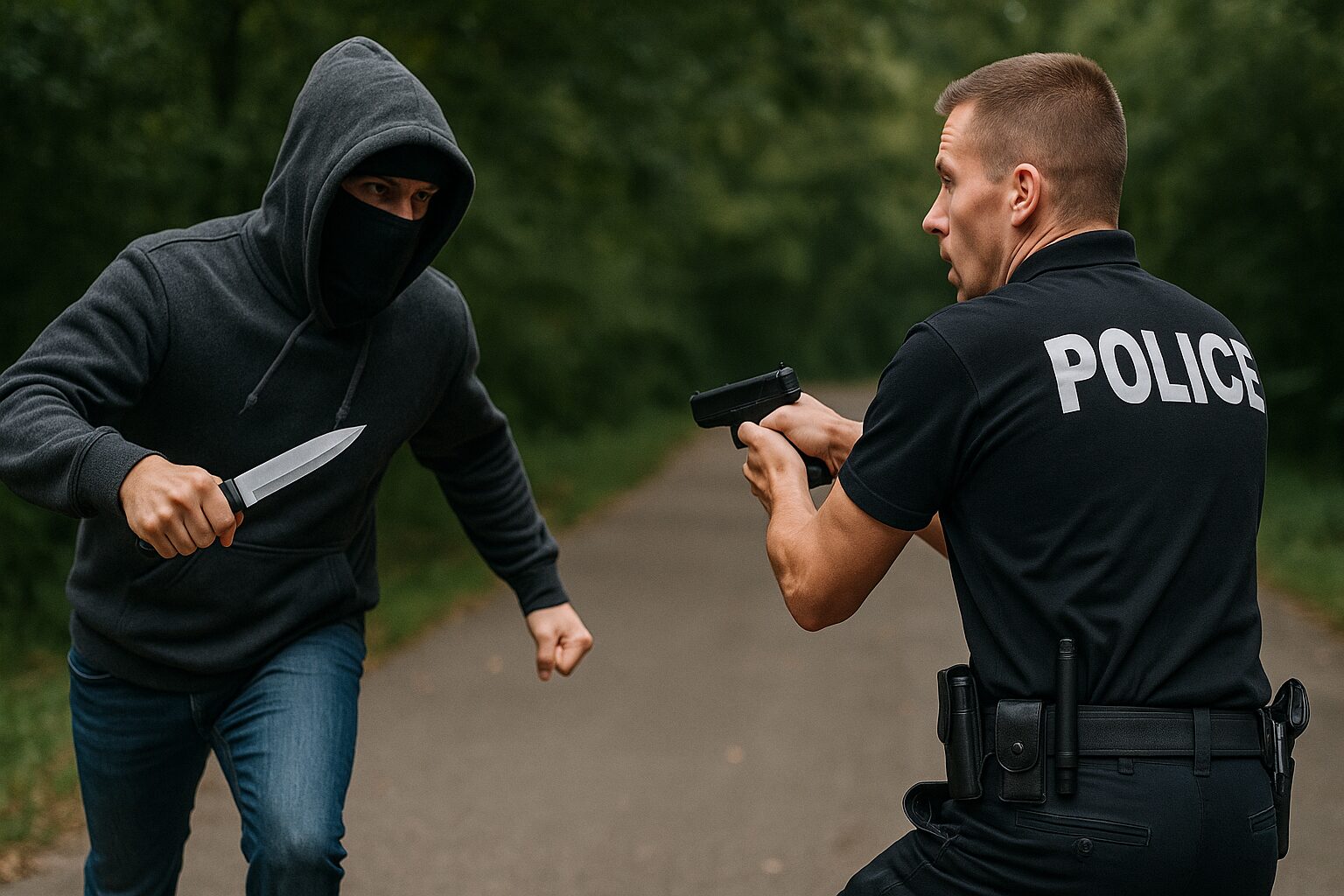
New scientific evidence confirms what ABA Intl has practiced for years through TMM When officers are forced to shoot under pressure, they often miss. […]
Read article →I recently read a compelling article by Dr. J. Pete Blair on his Tactical Science Substack titled “This is an 8-Foot Knife Attack. You […]
Read article →
In the world of combat shooting, adaptation isn’t just a bonus—it’s a necessity. While repetition builds baseline skill, true tactical readiness demands flexibility, improvisation, […]
Read article →
The study by Kozlowska et al. (2015), published in the Harvard Review of Psychiatry, provides one of the most comprehensive integrative models of innate […]
Read article →
Researchers Min-Hao Hung, Kuo-Chuan Lin, Chung-Cheng Wu, Jia-Hung Juang, Yen-Yu Lin, and Chi-Yao Chang published an article titled "Effects of Complex Functional Strength Training on Balance and Shooting Performance of Rifle Shooters" in the Applied Sciences Magazine in 2021. The objective of the study was to investigate the effects of complex functional strength training, involving whole-body vibration and unstable surface training, on overall shooting performance. This included assessing the shooters’ stability of hold, time on target, and body sway.
Read article →
Understanding the intricacies of psychological skills training (PST) and its impact on athlete performance is paramount within sports psychology. This importance is particularly pronounced in disciplines like rapid-fire pistol shooting, where success hinges not only on physical prowess but also on mental resilience and focus. In their recent qualitative study titled "A Qualitative Study on Psychological Skills Training Experiences of Rapid-fire Pistol Athletes," Mun-Gyu Jun, Jeong-Ho Kim, and Chulhwan Choi explore the experiences and insights of these athletes regarding PST. Through interviews and analysis, the researchers seek to uncover the specific psychological skills and strategies utilized by rapid-fire pistol athletes, illuminating the complex interplay between mental training and athletic achievement. Conducted at institutions such as Kyung Hee University and Gachon University in the Republic of Korea, this research offers valuable contributions to sports psychology, potentially enhancing both performance and well-being among athletes in this specialized field.
Read article →