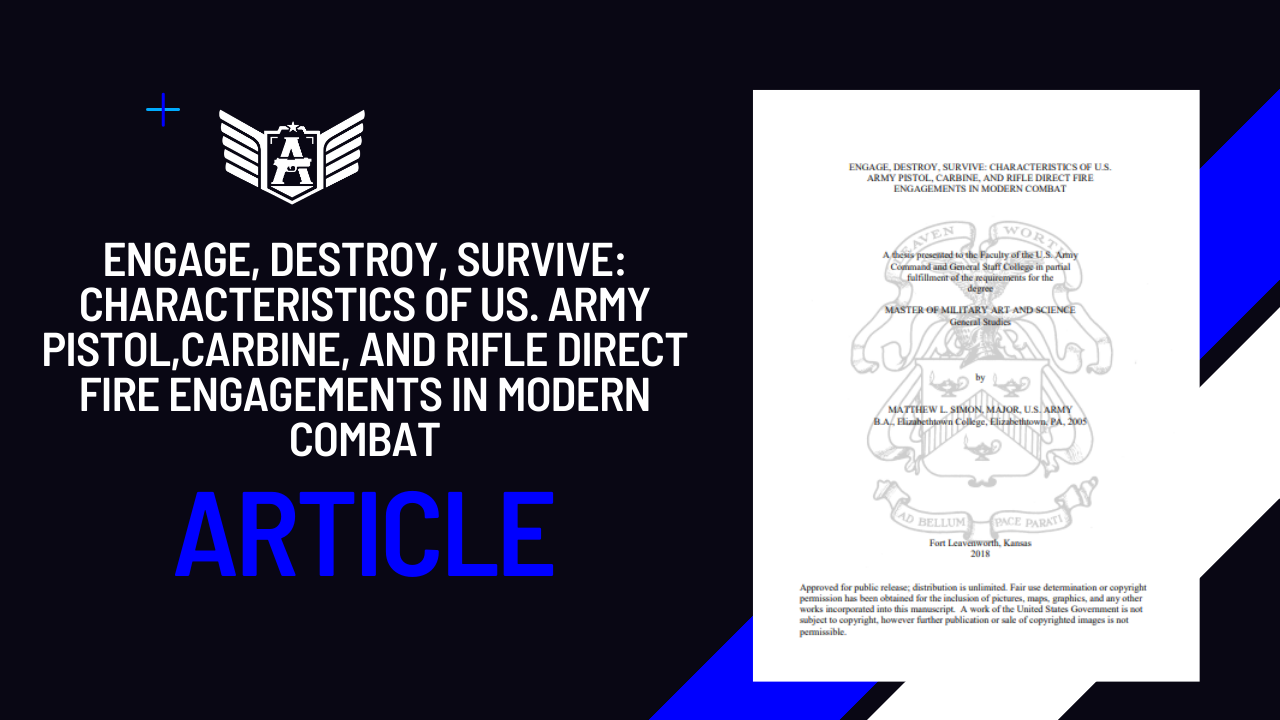
Given the rising apprehension towards hybrid, multi-domain, and near-peer threats, alongside the intricate nature of urban warfare and underground operations within mega-cities, a critical reassessment is imperative for the U.S. Army’s pistol, carbine, and rifle marksmanship training approaches. These strategies, coupled with their subsequent qualification standards, must be recalibrated to empower Soldiers to proficiently confront and neutralize threats through direct fire engagements across diverse military operations, ultimately securing victory.
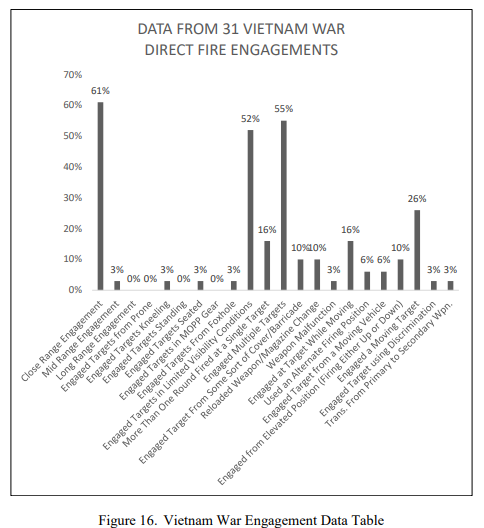
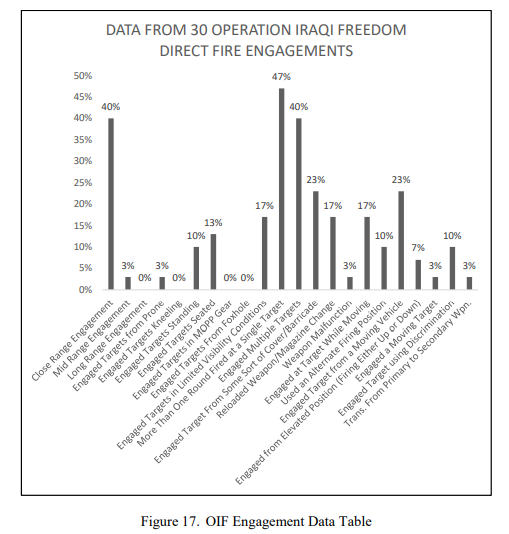
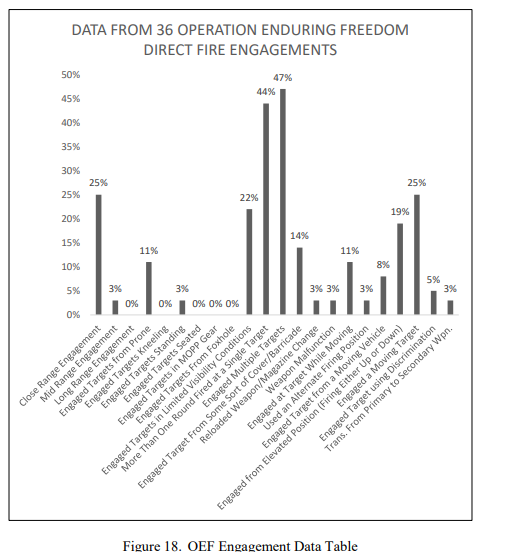
Following a comprehensive evaluation of marksmanship literature, a set of 22 distinct marksmanship skills or characteristics (variables) were meticulously chosen and scrutinized within the context of 133 accounts of direct fire engagements derived from 46 authoritative publications. Through an all-encompassing examination of case studies spanning the Korean War, Vietnam War, Operation Iraqi Freedom, and Operation Enduring Freedom, it became evident that certain variables consistently emerged across all instances. Curiously, these variables were discovered to be underemphasized in existing training strategies.
The culmination of the collective case study analysis led to a salient observation: while these shared variables permeated various scenarios, their significance was not adequately highlighted in current training paradigms. In light of the identified gaps and inadequacies, this thesis formulates pragmatic recommendations. These suggestions seek to reshape select facets of the U.S. Army’s marksmanship training strategies, thereby equipping Soldiers with the tools and competence necessary to effectively engage, neutralize, and navigate modern combat situations while ensuring their survival.
Continue from research to practice
Knowledge is useful when it changes what you do next.
Use this evidence to identify the next capability you need to build and the ABA route designed for it.
Find your ABA training path