
← Back to ABA Research

News

Join our new podcast

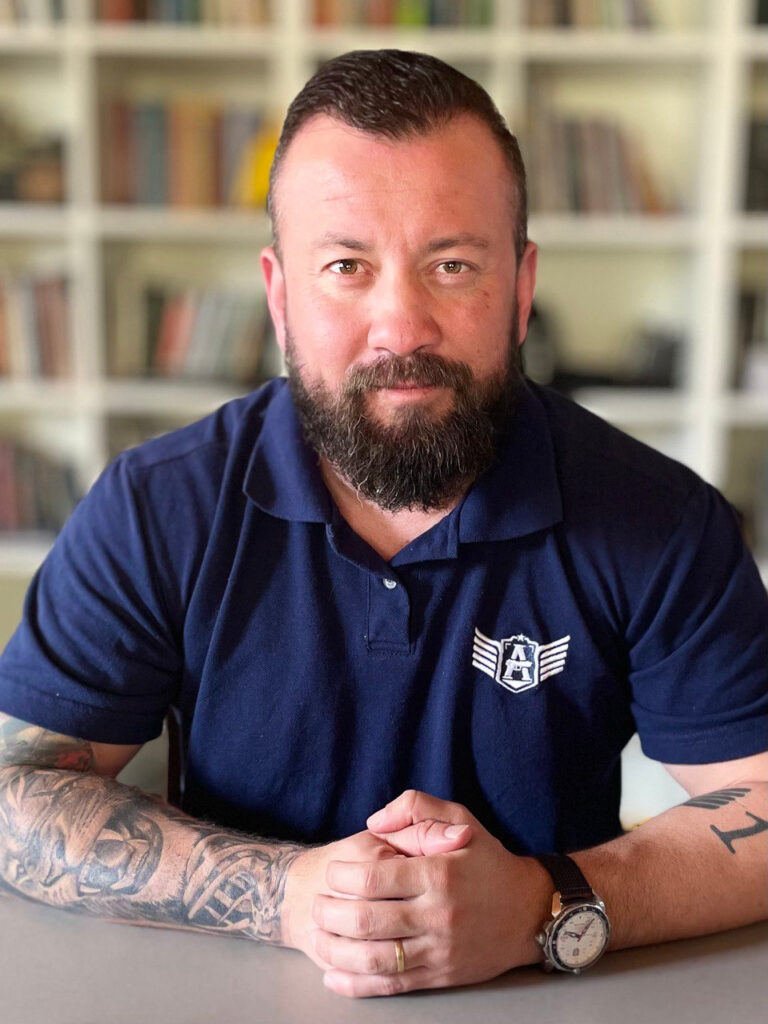
Lucas Silveira, chief instructor

Dear students and readers of ABA Intl,

As you already know, in addition to our official website, which publishes content almost every day, you can also find ABA Intl on Instagram , LinkedIn , and on X (formerly Twitter). Of course, you can receive information via email and also learn through the book “INTRODUCTION TO COMBAT SHOOTING” in addition to our in-person courses with exclusive methodology and doctrine.

But today’s exciting news is our podcast. Now you can listen to content about armed combat while driving, during workouts, or relaxing at home. The first episodes are already available on Spotify and will soon be on other podcast platforms.

Check it out and subscribe to not miss the upcoming episodes.

The ABA Intl Podcast is available:

001: Your fastest draw is not your baseline ABA Intl – Combat shooting

Your fastest draw is not necessarily your true level of performance.A personal best shows what happened once. A baseline shows what you can reproduce under clearly defined conditions.In this first episode of ABA | Performance Briefing, Lucas Silveira explains why a single fast time can create a misleading picture of handgun performance—and what you should measure instead.You will learn:• The difference between a personal best and a performance baseline• Why every repetition must be evaluated for validity• How average time, consistency, spread and valid-repetition rate reveal different problems• How the ABA Intl TMM framework—Technique, Metric and Method—turns recorded performance into a practical training decision• Why the shot timer provides evidence, but not a complete diagnosisDownload the free ABA Intl TMM Draw Baseline Scorecard:https://www.abaintl.us/draw-baseline/For an individual analysis of ten recorded draw repetitions, learn about the ABA | Draw Audit:https://draw.abaintl.us/Founding offer: US$67 for the first 15 participants.Train lawfully and follow strict firearm-safety procedures. Dry-fire practice must be performed with all live ammunition removed, the firearm verified unloaded and a safe direction and backstop established.Technique. Metric. Method.To Christ be all glory.

Continue from research to practice

Knowledge is useful when it changes what you do next.

Use this evidence to identify the next capability you need to build and the ABA route designed for it.

Find your ABA training path